About Dr. Savanna
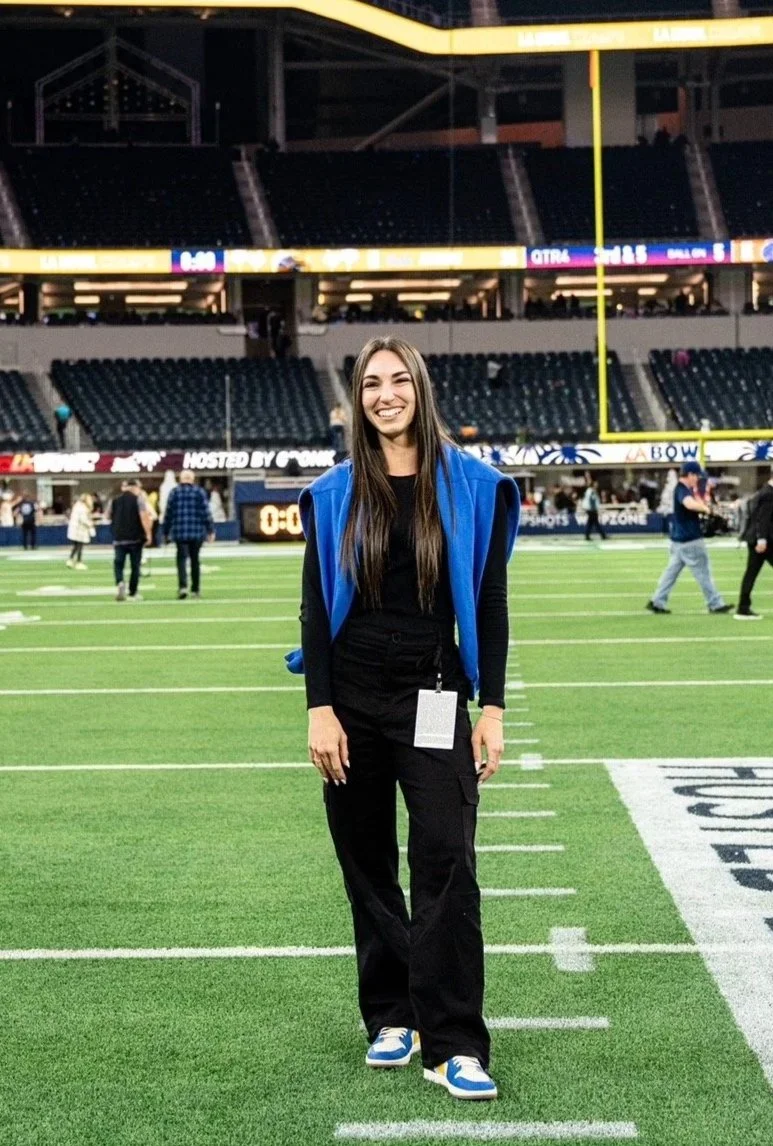
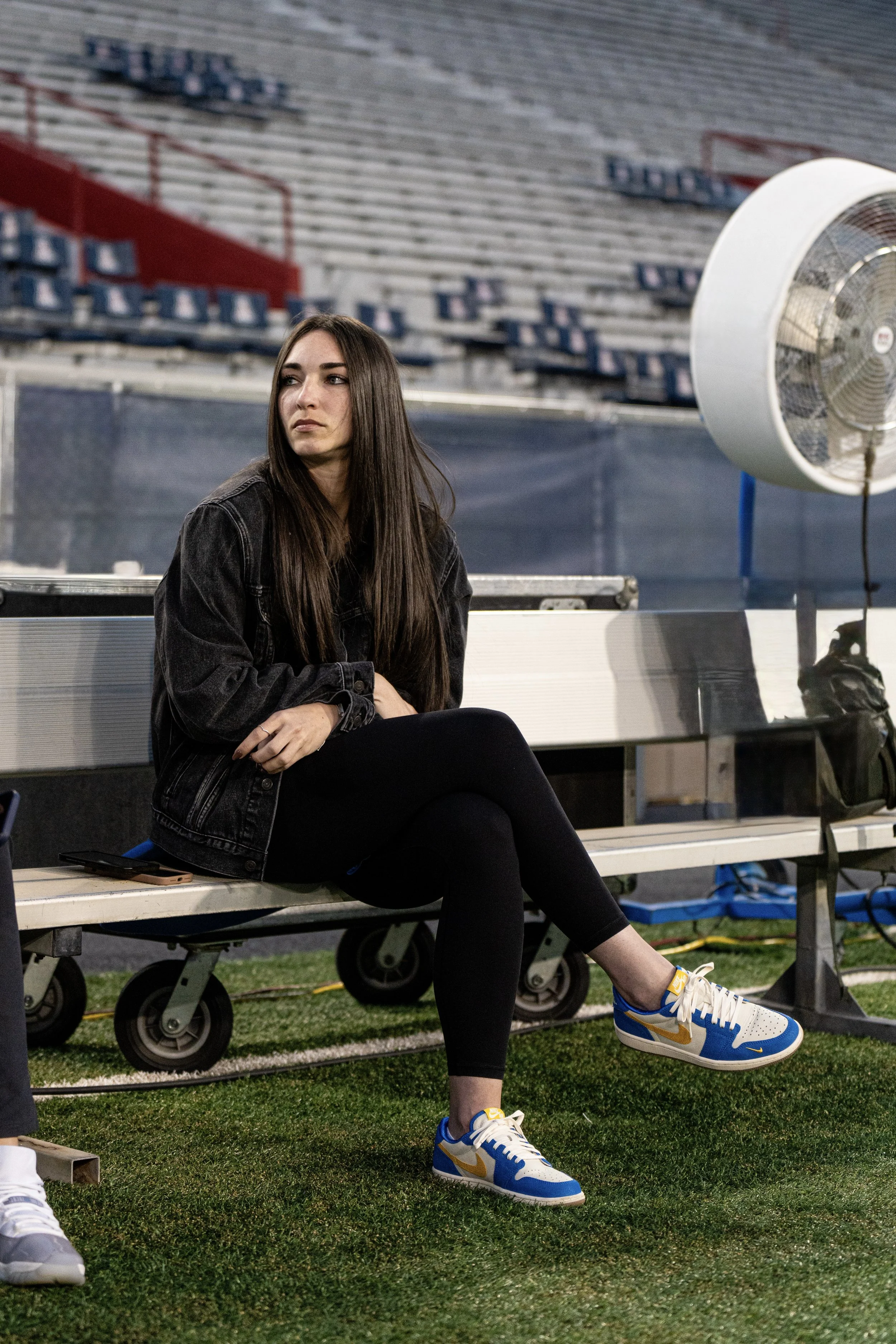
I'm an occupational therapist, former college athlete, and founder of Scholar-Athlete Society. I help athletes build the skills, routines, and resilience that support performance, daily function, and well-being. My areas of focus include executive functioning, emotional regulation, mental skills, and navigating life's demands, with particular experience supporting ADHD, anxiety, and learning differences.
I understand that performance extends beyond practice and competition. Balancing training, recovery, school, work, relationships, and personal responsibilities takes more than physical skill.
My approach is practical, collaborative, and built around how you actually function. Together, we'll identify what's getting in the way and develop strategies that fit your sport, schedule, goals, and everyday life.
-
I earned my bachelor’s degree in Human Development from UC San Diego, where I competed in collegiate track and field. I went on to earn my master’s and doctorate in Occupational Therapy from the University of Southern California.
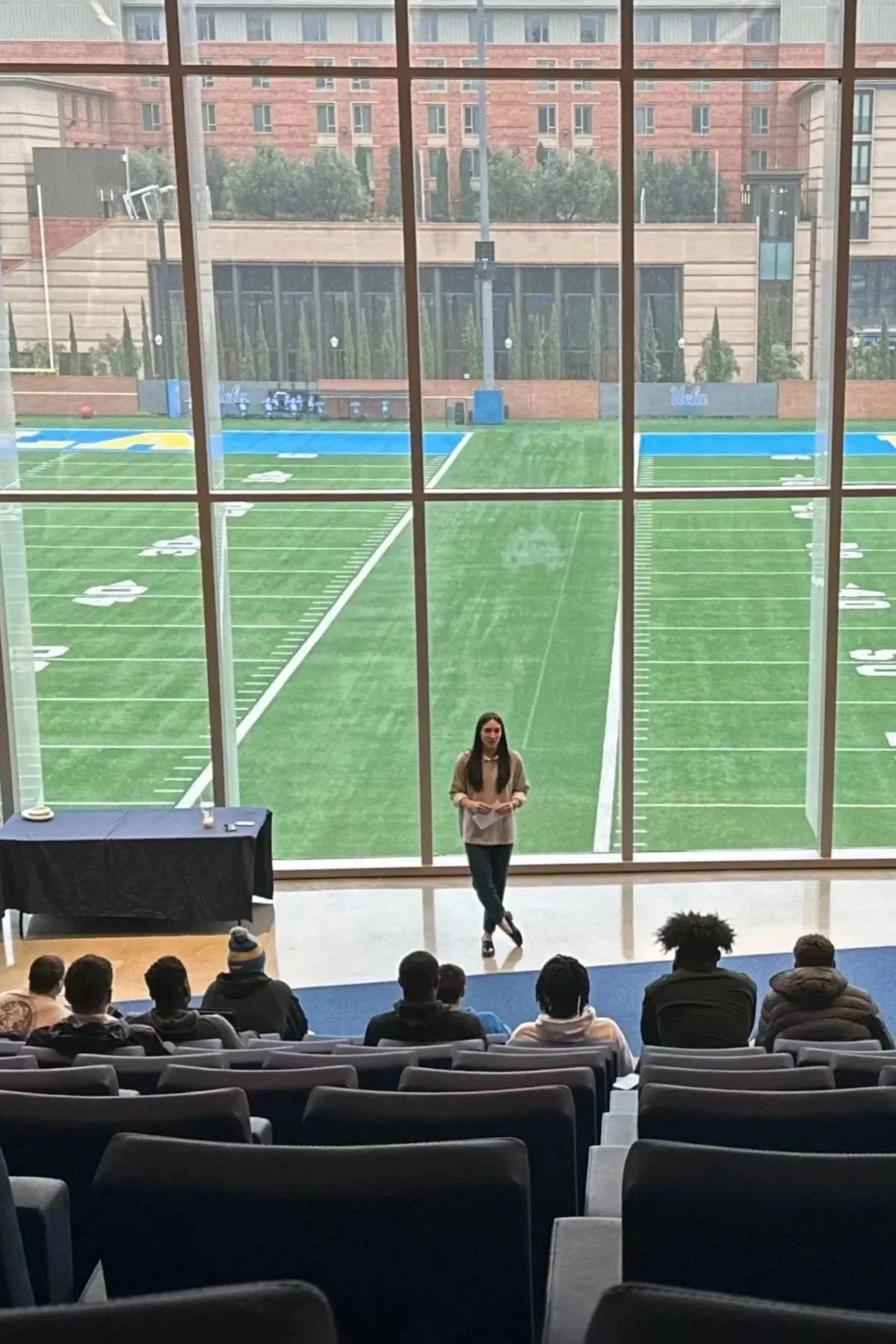
My professional experience includes hospital based outpatient pediatrics as well as serving as Associate Director of Student-Athlete Success for UCLA Football. Today, I’m an Assistant Professor of Clinical Occupational Therapy at USC and founder of Scholar-Athlete Society.
-
Knowing what to do and being able to do it consistently are different things.
As an occupational therapist, I look at the whole picture: how your attention, thoughts, emotions, body responses, routines, and environment influence how you function in everyday life and sport.
My approach is function-focused and sensory-informed. Together, we'll identify what's getting in the way and practice strategies you can use in real situations. That might mean resetting after a mistake, managing competing responsibilities, adapting to change, learning new skills, or finding a better balance between performance, recovery, and daily life.
Rather than focusing on one skill in isolation, we look at how different parts of your life work together and build practical tools that fit your individual needs.
The goal isn't just better performance. It's building the skills, routines, and resilience to navigate challenges, adapt to change, and participate in the things that matter most to you.
Because how you function and feel outside of sport matters just as much as how you perform in it.
-
You deserve support that respects your identity, background, and way of learning.
I provide affirming, individualized care in a space where you can speak openly, ask questions, and work through challenges without judgment. Your goals, strengths, and experiences guide our work together.
-
Outside of work, you’ll usually find me exercising, attending a sporting event, or spending time with my family and cats.
Specialized Services
-
You may know what you need to do but struggle to get started, stay focused, remember information, or follow through. Together, we build strategies that fit how you think and learn.
We work on:
Managing distractions and bringing your attention back to the task.
Planning, organizing, prioritizing, and managing time.
Starting tasks and following through.
Building routines that work with your schedule.
Finding ways to learn, remember, and use information.
Breaking down instructions and complex tasks into clear steps.
Developing study, test-taking, and preparation strategies.
Using tools and adjusting your environment to support focus.
Communicating your needs and asking for support.
Whether you’re learning a play, preparing for an exam, or managing daily responsibilities, we practice tools you can use in your own life. Support is tailored to your needs, including ADHD, dyslexia, dyscalculia, dysgraphia, and other learning differences.
-
Pressure can affect your thoughts, attention, emotions, and how your body feels. Together, we identify your patterns and practice ways to respond so you can stay engaged in what matters.
We work on:
Recognizing signs of stress, anxiety, and overwhelm.
Understanding how your body responds to pressure.
Managing nerves before competition, tests, or other demanding moments.
Responding to frustration and resetting after mistakes.
Working through overthinking, perfectionism, and fear of failure.
Using breathing, movement, and sensory strategies to support regulation.
Practicing mental skills, including useful self-talk, visualization, and focus cues.
Building preparation and reset routines.
Supporting daily habits, including sleep, meals, and rest.
The goal is to help you handle difficult moments, return your attention to what you can do, and take your next step with greater confidence.